
It’s a strange feeling being close to graduation and realizing how much I’ve learned, while also seeing how much I still don’t know. Lately, I’ve been thinking a lot about what’s coming next in tech. Not just what the next big tool is, but what kind of world we’re building with all this innovation. To be honest, it’s exciting… but also a little scary. There’s so much uncertainty in the field, and sometimes it feels overwhelming trying to keep up. But at the same time, I really love where technology is going. I may not be an expert (not even close), but I’m learning every day and that’s what matters to me. That’s what I want to share here: not polished insights, but the raw curiosity of someone still figuring things out. So, here are some of the tech trends I’ve been keeping an eye on. Some might shape my career. Some might fade out. But all of them have made me stop, think, and ask questions which I think is a great place to start.
1. AI & ML for Small Businesses: Creativity, Clarity, and Constant Support
One trend I’ve really connected with this past year is how AI tools are becoming powerful allies for small businesses and not just in theory, but in actual daily work.
At Hispanic Anima, we’ve used AI to help us with everything from marketing ideas to content creation. Tools like ChatGPT and Gemini have become part of our creative process. And honestly? Some days, when you’re mentally tired or just not feeling inspired, having a chatbot to bounce ideas off is a game-changer. For example, we use AI to:
- Generate email marketing drafts
- Brainstorm Instagram captions or campaign themes
- Ask for SEO keyword suggestions
- Learn how to structure a product launch plan
It’s not that AI replaces creativity, it supports it, especially when your mind’s stuck.
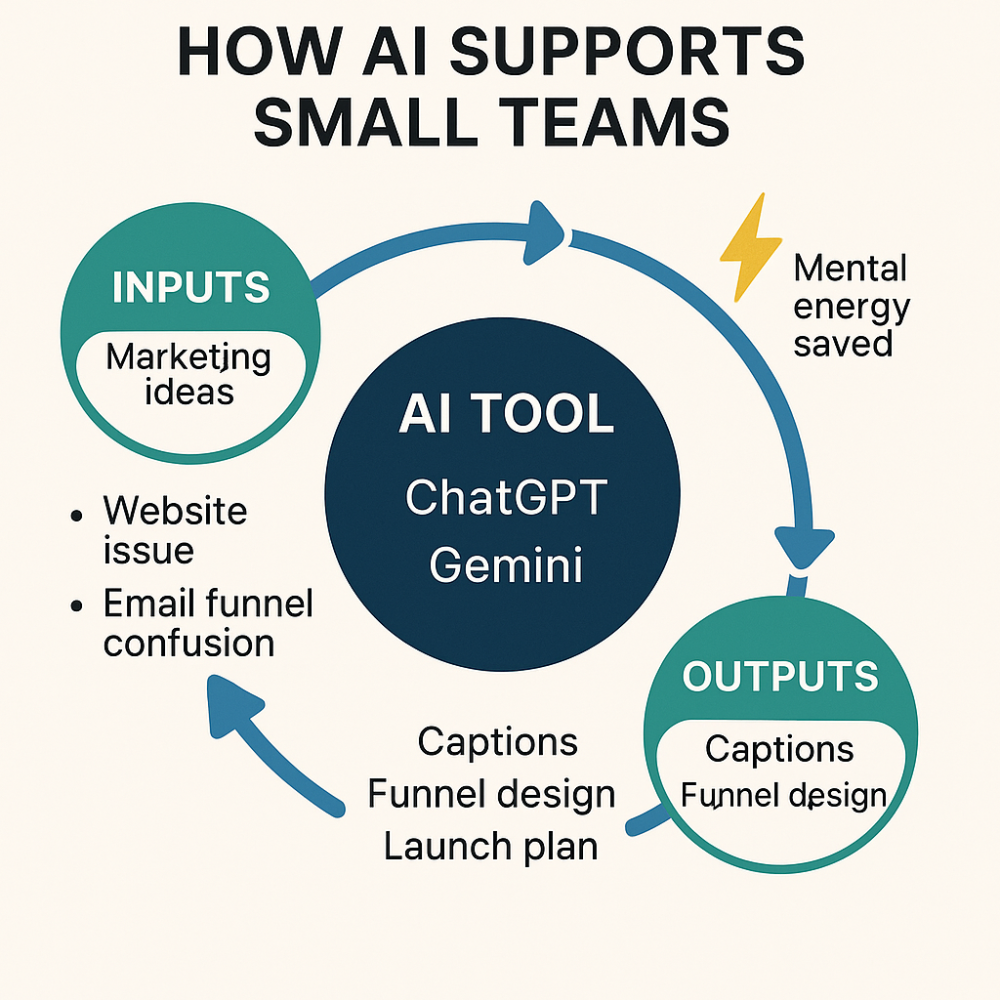
We also use it for learning on the go. If we’re working on a task we don’t fully understand, like configuring an email funnel, understanding a CSS issue on the site, or exploring a new business strategy, AI becomes our first step, but we always try to double check because it may be wrong. It’s like having a 24/7 tutor you can ask anything. For more complex problems, I sometimes switch between the different models of GPTs, depending on how deep or technical I need the answer to be.
And let’s not forget tools like ElevenLabs and Heygen AI, which we’ve explored for creating voiceovers and video content (more info below). These tools are incredible but also raise important ethical questions. It’s easy to imagine how they could be misused, which is why I believe learning how to use these tools with purpose matters just as much as learning what they can do.
So if you’re building something with a small team or even solo, I genuinely recommend exploring these tools. Even if you’re just learning, like I am, AI can give you the boost you didn’t know you needed.
2. Web3 Is Quiet… But I Don’t Think It’s Gone
I remember when I started hearing about Web3 all the time (NFTs, crypto wallets, DAOs) It felt like the future was arriving fast. But lately, it has really slowed down. At first, I thought maybe it was just hype. But the more I learn, the more I believe the ideas behind Web3 still matter they’re just evolving in the background.
If you’re not familiar with Web3, here’s a simple way to think about it:
- Web1 was the read-only internet (like static websites).
- Web2 is where we are now, interactive platforms like social media, where we create content but companies own the platforms.
- Web3 is about moving to an internet where users can own their data, content, and even parts of the platform itself, thanks to technologies like blockchain.
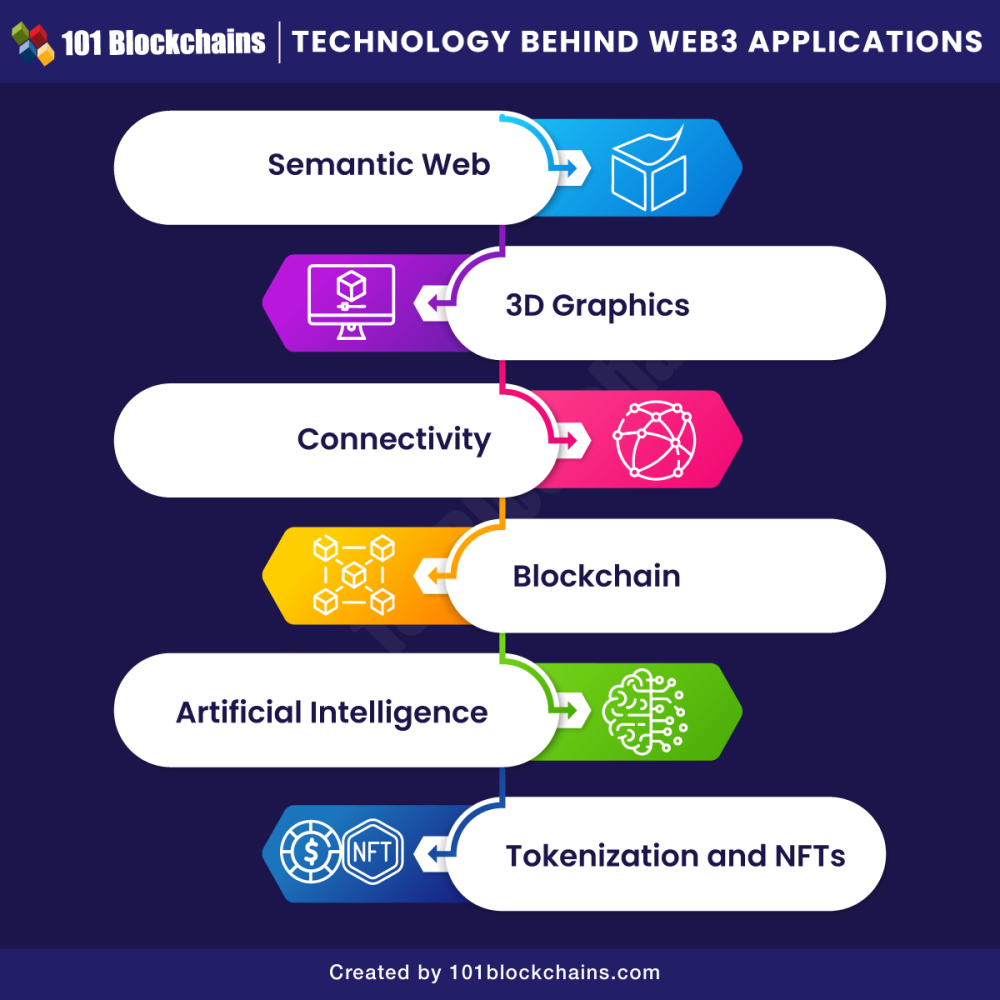
Here are a few Web3 concepts, explained simply:
- NFTs (Non-Fungible Tokens): Digital certificates of ownership used for art, music, and digital assets.
- Smart Contracts: Code that runs on blockchain, automatically executing actions when conditions are met (think of it like “if this, then that” logic for transactions).
- DAOs (Decentralized Autonomous Organizations): Online communities or companies run by members who vote on decisions, instead of a CEO.
- Crypto Wallets: Tools to store your digital assets or identity kind of like your login and bank combined.
Right now, I’m curious about how these tools might:
- Let artists or creators truly own their content
- Be applied in areas I study, like supply chain tracking
- One day, store digital IDs, certifications, or even college degrees in a secure, decentralized way
At Hispanic Anima, we’re not using Web3 tools yet as a company, but I’m watching. I can see how they could help brands build more transparent and community-owned experiences in the future.
If you’re like me and Web3 still feels complex, don’t worry. You don’t have to become a blockchain expert. What helps is staying curious and asking: What problems is this technology trying to solve? Because even if the hype fades, the mission might still be worth following.
3. Quantum Computing: I Don’t Get It (Yet), But I’m Still Curious
Quantum computing is probably the trend I understand the least, but the one I find the most fascinating. In simple terms, quantum computers don’t work like the laptops or servers we use every day. Traditional computers process information using bits, which are either 0 or 1. But quantum computers use qubits, which can be 0, 1, or both at the same time (this is called superposition). They can also influence each other through something called entanglement. That means quantum computers can potentially solve certain problems way faster than traditional computers ever could.
Below I will attach some images from an article of the quantum computer of IBM but to look further into it click here to visit the article

IBM quantum computer⬆️

Dilution refrigerator, colloquially known as “the chandelier,” allows a quantum computer to operate at temperatures near absolute zero.⬆️

Quantum processor inside the chandelier⬆️
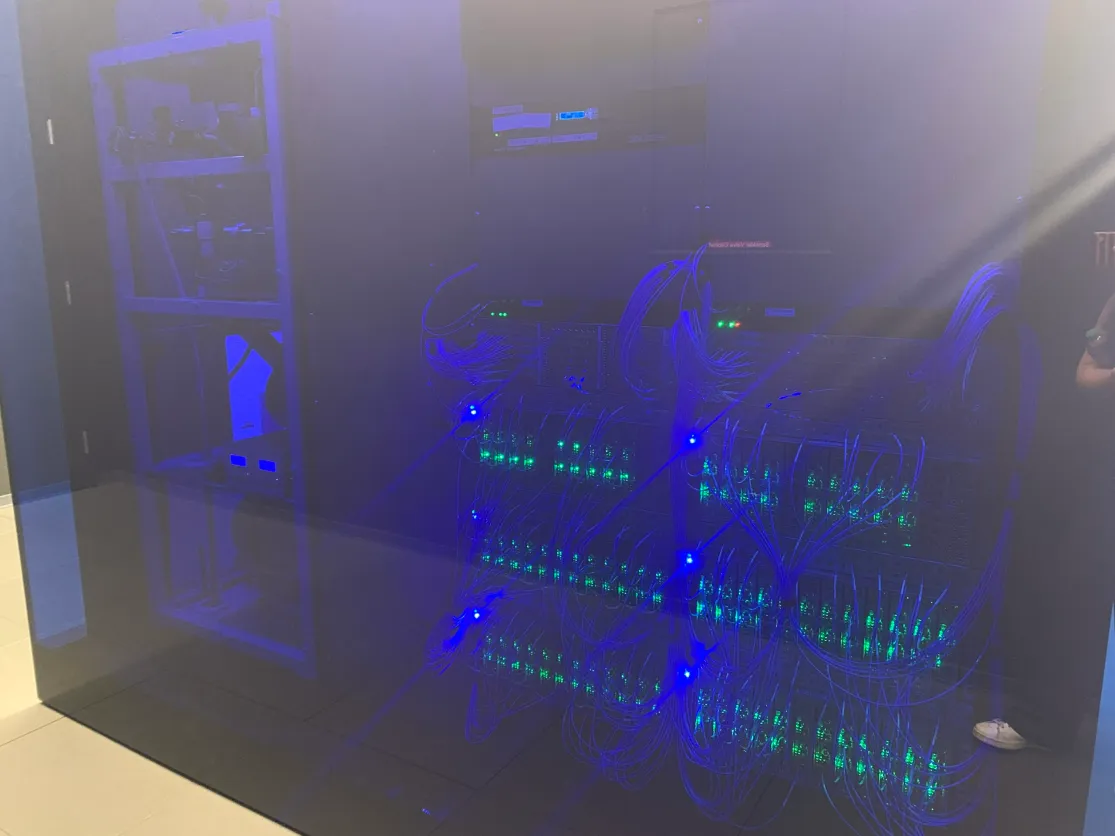
Control electronics behind the quantum computer.⬆️
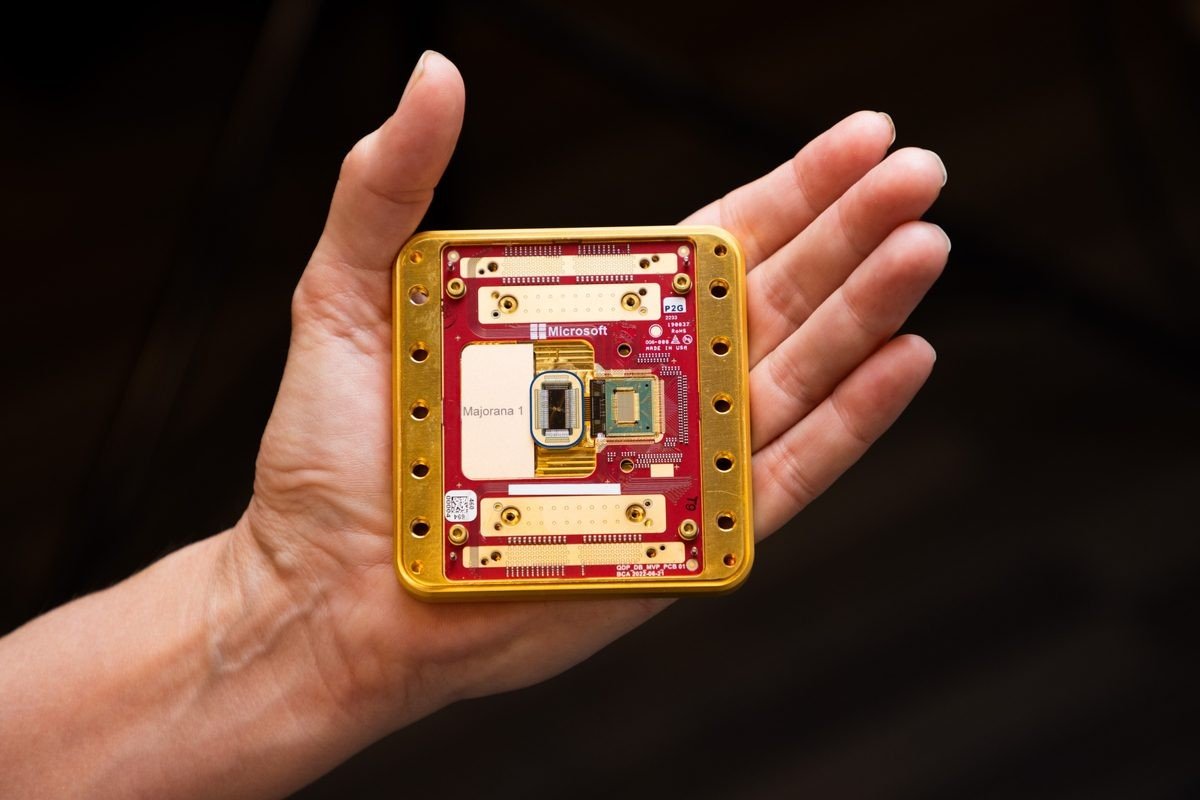
Microsoft launches Majorana 1, the first quantum chip of its kind⬆️
I know that sounds like science fiction. But companies like IBM, Google, and Rigetti have already built experimental quantum chips and are actively researching their potential. While we’re still in the early stages with most real-world use cases still being tested or simulated here are a few areas where quantum computing could make a major impact soon:
- Drug discovery → Early quantum simulations help model how molecules behave. Companies like Biogen and D-Wave are exploring how quantum computing might accelerate the development of new medications. These are still mostly research experiments, but promising ones.
- Optimization in logistics → Think about delivery route planning, like for UPS or DHL. Quantum algorithms could help find faster and cheaper solutions in the future. Some companies are using quantum-inspired algorithms to test these ideas on classical computers.
- AI modeling (in theory) → Quantum computing might one day help with training more efficient AI models. This idea—called quantum machine learning is still experimental, but labs are testing it on small scales using hybrid setups.
- Cybersecurity → This is the most real and urgent impact. Quantum computers could one day break today’s encryption systems (like RSA or ECC). That’s why researchers are already working on post-quantum cryptography so we stay ahead of the curve.
I don’t have hands-on experience with quantum computing yet. But that’s okay. I’ve realized it’s important to track technologies even before you fully understand them, especially if they could disrupt the areas you’re studying.
For me, that means asking:
- How will quantum impact cybersecurity in 5–10 years?
- And what kind of roles will exist for people like me who didn’t grow up learning quantum, but still want to work around it?
Right now, I’m just reading articles, watching explainer videos, and following updates from companies like IBM Q and Xanadu. I may not be coding quantum algorithms anytime soon, but I do want to be one of the people who are ready when it becomes more accessible.
If you’re curious about quantum, too, don’t be intimidated. You don’t need to be a physicist to start learning. You just need the willingness to ask: “What is this, and why does it matter?”
4. Tech in Latin America: More Than Just Outsourcing We’re Building Things
Being from Mexico and studying tech in the U.S., I’ve often had the perception that Latin America lacks technological advancement. While it’s true that the region faces struggles like limited infrastructure and investment, an ecosystem of innovation is reshaping this.
Mexico is witnessing a surge in fintech innovation. Startups like Clara, which offer corporate credit cards and expense management solutions, reflect the country’s growing digital economy. Additionally, initiatives like the Smart Forest City project in Cancún aim to integrate sustainable living with advanced technology, showcasing Mexico’s commitment to smart urban development.
Brazil stands out as a fintech powerhouse. Nubank, headquartered in São Paulo, has become one of the world’s largest digital banks, serving over 100 million customers across Brazil, Mexico, and Colombia. Its user-friendly, no-fee banking model has revolutionized financial services in the region.
Colombia is making strides in health technology. Companies like 1DOC3, Lentesplus, and others are leveraging digital platforms to enhance healthcare accessibility and efficiency.
Argentina is supporting AI startup scene. Organizations such as CONICET are at the forefront of AI research, contributing to the country’s growing reputation in this field.
While these advancements are promising, it’s essential to acknowledge the ongoing challenges. Issues like regulatory hurdles, limited funding, and infrastructural deficits persist. However, the resilience and ingenuity of Latin American innovators continue to drive progress.
For students and aspiring technologists like myself, this evolving landscape offers both inspiration and opportunity. Engaging with these developments, even from afar, allows us to contribute to and learn from the region’s dynamic tech evolution.
5. AI Agents and Digital Workers: The Teammates You Don’t See (But Definitely Feel)
One of the wildest trends I’ve been exploring recently is the rise of AI agents tools that don’t just answer your questions like a chatbot, but actually perform tasks for you.
If you’ve never heard of AI agents, think of them like automated digital coworkers. Instead of just giving you information, they can:
- Send emails
- Schedule posts
- Scrape websites
- Analyze spreadsheets
- Or even chain multiple tasks together to achieve a goal (kind of like a virtual assistant with superpowers)
In tools like AutoGPT, Devin, and others, the idea is that you give it a goal, and it figures out how to do it by breaking the job into steps and executing them one by one.
At Hispanic Anima, we’ve felt a small version of this already even if we’re not using full-on AI agents yet. For example, we’ve used AI to help with:
- Email marketing setup (writing subject lines, A/B testing variations)
- Marketing Ideas
- Content repurposing (turning one idea into several formats)
What surprised me is how much time this saves and how it lets us focus more on strategy and less on routine tasks. But there’s something deeper here, too. The more I use these tools, the more I think: What will “work” look like when AI can do most of the repetitive stuff? What roles will be left, and how do we prepare for them?
To me, it’s not about competing against AI. It’s about learning how to work with it, like another member of the team. You still need human judgment. You still need creativity. But now, you also need to know how to guide AI, delegate to it, and check its results. This is something I’m actively learning through trial, error, and just messing around with tools like ChatGPT, Gemini, Eleven Labs, and HeyGen AI. I’m not an expert. But I believe the people who learn how to use these tools responsibly are going to be the most adaptable in any industry.
Below, I will attach a video of myself that I recorded with Heygen to try it out; the results on the original version are amazing, in my opinion. What you will see will be just 14 seconds of it, but the original is 1 minute and a half or 2 minutes.

Staying Curious Is the Real Skill
I won’t pretend I have it all figured out. The tech world is moving fast, sometimes too fast and I’m still learning how to keep up. But that’s exactly why I wanted to write this.
These trends aren’t just headlines to me. They’re the things I stumble upon during late-night research, random YouTube videos, friends, or conversations with coworkers at Hispanic Anima. They’re the topics that make me pause and ask, “What does this mean for someone like me, still learning and trying to build things?”
I might not be an expert, but I care. I’m curious. And I believe that staying curious is the most important skill in tech right now.
So, whether you’re a student, a self-learner, a business owner, or just someone exploring tech don’t be afraid to dig in. Ask questions. Break things. Use tools you don’t fully understand yet. That’s where the real growth happens.
What tech trend are you watching right now and why does it matter to you?